
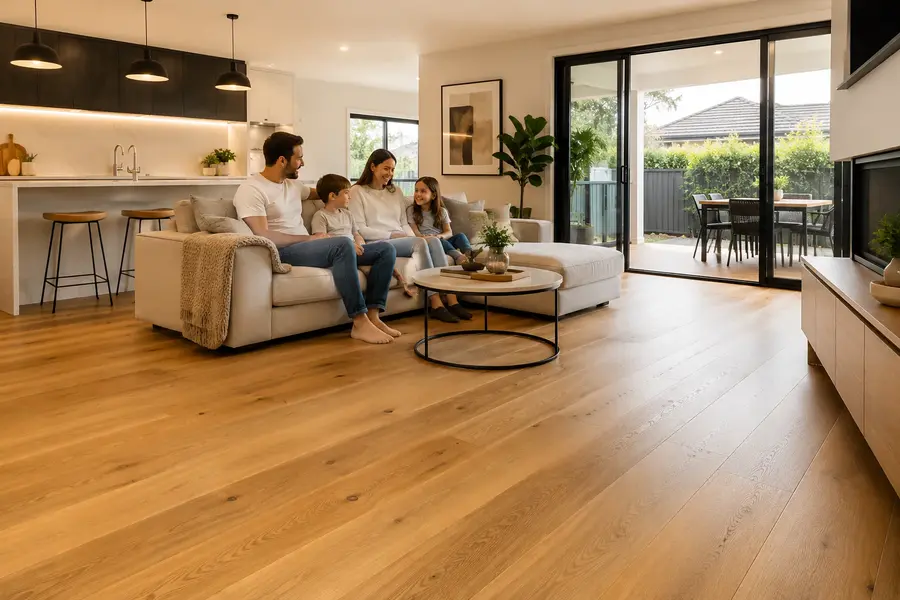
Engineered Timber Flooring has become one of the most popular flooring choices for homeowners, interior designers, and property developers. It offers the timeless beauty of real hardwood while providing greater stability and resistance to changes in temperature and humidity. This unique combination makes it a practical solution for both residential and commercial interiors.
Unlike traditional solid hardwood flooring, engineered timber flooring is constructed using multiple layers of wood. The top layer is genuine hardwood, while the underlying layers are designed to improve strength and reduce expansion or contraction caused by environmental changes.
Whether you’re renovating a home, upgrading an office, or designing a new property, engineered timber flooring offers an elegant appearance with long-lasting performance. This guide explains its construction, benefits, installation methods, maintenance tips, and how to choose the right flooring for your space.
What Is Engineered Timber Flooring?
Engineered timber flooring is a premium flooring product made from several layers of wood bonded together under high pressure.
The top layer, often called the wear layer, is made from real hardwood such as oak, walnut, maple, or ash. This layer gives the floor its authentic natural appearance and texture.
Beneath the hardwood veneer are multiple layers of plywood or high-density timber arranged in different directions. This cross-layer construction improves structural stability and minimizes movement caused by humidity.
As a result, engineered timber flooring provides the look and feel of solid wood while offering better resistance to moisture and seasonal changes.
Many homeowners choose this flooring because it combines luxury, practicality, and long-term durability.
Benefits of Engineered Timber Flooring
Engineered timber flooring offers several advantages over traditional flooring materials.
One of its biggest strengths is dimensional stability. Because of its layered construction, it is less likely to warp, shrink, or expand when exposed to humidity changes.
Another major benefit is its authentic appearance. Since the top surface is made from genuine hardwood, it delivers the same elegant look as solid timber flooring.
Engineered timber flooring is also available in various wood species, finishes, colors, and plank sizes, making it suitable for both classic and contemporary interiors.
It provides excellent durability for busy households and commercial spaces with moderate foot traffic.
Many products are compatible with underfloor heating systems, offering additional comfort during colder seasons.
With proper care, engineered timber flooring can maintain its beauty for decades.
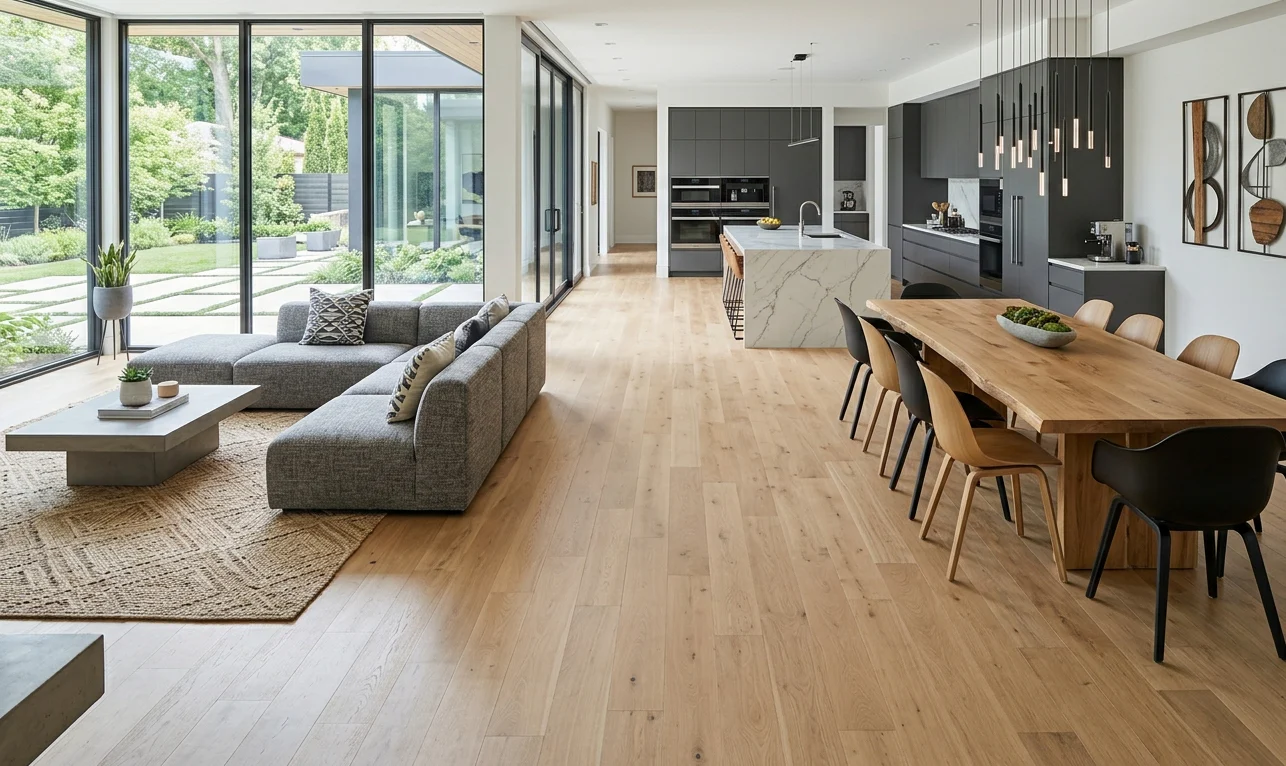
Types of Engineered Timber Flooring
Different flooring options are available to suit various interior styles and installation requirements.
Oak Engineered Flooring
Oak remains one of the most popular choices because of its durability, attractive grain patterns, and timeless appeal.
It complements both traditional and modern interiors.
Walnut Engineered Flooring
Walnut offers rich, dark tones that create a sophisticated and luxurious atmosphere.
It is often selected for premium residential and commercial spaces.
Matte Finish Flooring
Matte finishes create a natural appearance while reducing glare and hiding minor scratches.
They are popular in contemporary homes.
Gloss Finish Flooring
Gloss finishes provide a polished, elegant appearance that enhances the richness of natural wood.
These floors are often chosen for formal living areas.
Each flooring style offers unique visual characteristics, allowing homeowners to select the best option for their design preferences.
Installation Methods
Engineered timber flooring offers flexibility during installation.
The floating floor method is one of the most common approaches.
Individual planks connect together without being permanently attached to the subfloor, making installation relatively quick.
Glue-down installation provides excellent stability and is commonly used for larger areas or commercial applications.
Some flooring products can also be nailed or stapled to wooden subfloors.
Before installation begins, the surface should be clean, dry, and level to ensure proper performance.
Professional installation is recommended because experienced installers can manage expansion gaps, plank alignment, and finishing details more accurately.
Correct installation significantly improves both the appearance and lifespan of the flooring.
Caring for Engineered Timber Flooring
Proper maintenance helps preserve the beauty and durability of engineered timber flooring.
Regular sweeping or vacuuming removes dirt and dust that could cause surface scratches.
Use a damp microfiber mop rather than excessive water, as standing moisture may damage the flooring over time.
Avoid harsh chemical cleaners that may affect the protective finish.
Furniture pads should be placed under heavy furniture to minimize scratches.
Area rugs can help protect high-traffic sections from wear.
Cleaning spills immediately also prevents moisture from penetrating the surface.
Following these simple maintenance practices allows engineered timber floors to remain attractive for many years.
Comparing Engineered Timber and Solid Hardwood
Although both flooring options use real wood, there are important differences.
Solid hardwood consists entirely of one piece of natural wood.
While it can be sanded multiple times, it is more sensitive to humidity and temperature changes.
Engineered timber flooring provides greater stability because of its layered construction.
It performs better in environments where moisture levels fluctuate.
Installation is often faster and more flexible with engineered products.
Solid hardwood may offer a longer refinishing lifespan, but many engineered flooring products also allow limited sanding and refinishing depending on the thickness of the wear layer.
For many homeowners, engineered timber offers an ideal balance between appearance, durability, and practicality.
Choosing the Right Engineered Timber Flooring
Selecting the right flooring depends on several factors.
Consider the room where the flooring will be installed.
High-traffic areas may benefit from thicker wear layers and stronger finishes.
Choose wood species that complement your interior design style.
Lighter woods create bright, spacious environments, while darker tones add warmth and elegance.
Evaluate plank width, finish type, warranty coverage, and installation requirements before making a purchase.
Working with a reputable flooring supplier ensures access to quality products and professional advice.
Requesting samples allows you to compare colors and textures under your home’s lighting conditions before making a final decision.
Final Thought
Engineered Timber Flooring offers an outstanding combination of natural beauty, long-lasting durability, and modern performance. Its layered construction provides excellent stability while preserving the authentic appearance of real hardwood.
Whether renovating a family home, designing a luxury apartment, or upgrading a commercial space, engineered timber flooring delivers both style and practicality. With numerous wood species, finishes, and installation options available, it can complement almost any interior design.
By selecting high-quality materials, ensuring professional installation, and following proper maintenance routines, homeowners can enjoy elegant flooring that adds value and comfort for many years.
FAQs
What is engineered timber flooring?
Engineered timber flooring is made with a real hardwood surface layer bonded to multiple layers of wood for improved strength and stability.
Is engineered timber flooring better than solid hardwood?
It depends on your needs. Engineered timber offers better moisture resistance and stability, while solid hardwood allows for more refinishing over its lifetime.
Can engineered timber flooring be installed over concrete?
Yes. Many engineered timber flooring products are suitable for installation over concrete using approved installation methods.
Is engineered timber flooring durable?
Yes. High-quality engineered timber flooring is designed to withstand daily use and can last for decades with proper care.
How do I clean engineered timber flooring?
Regular sweeping, vacuuming, and damp mopping with recommended cleaning products help maintain its appearance.
Can engineered timber flooring increase property value?
Yes. Its premium appearance, durability, and timeless style often make properties more attractive to potential buyers.
